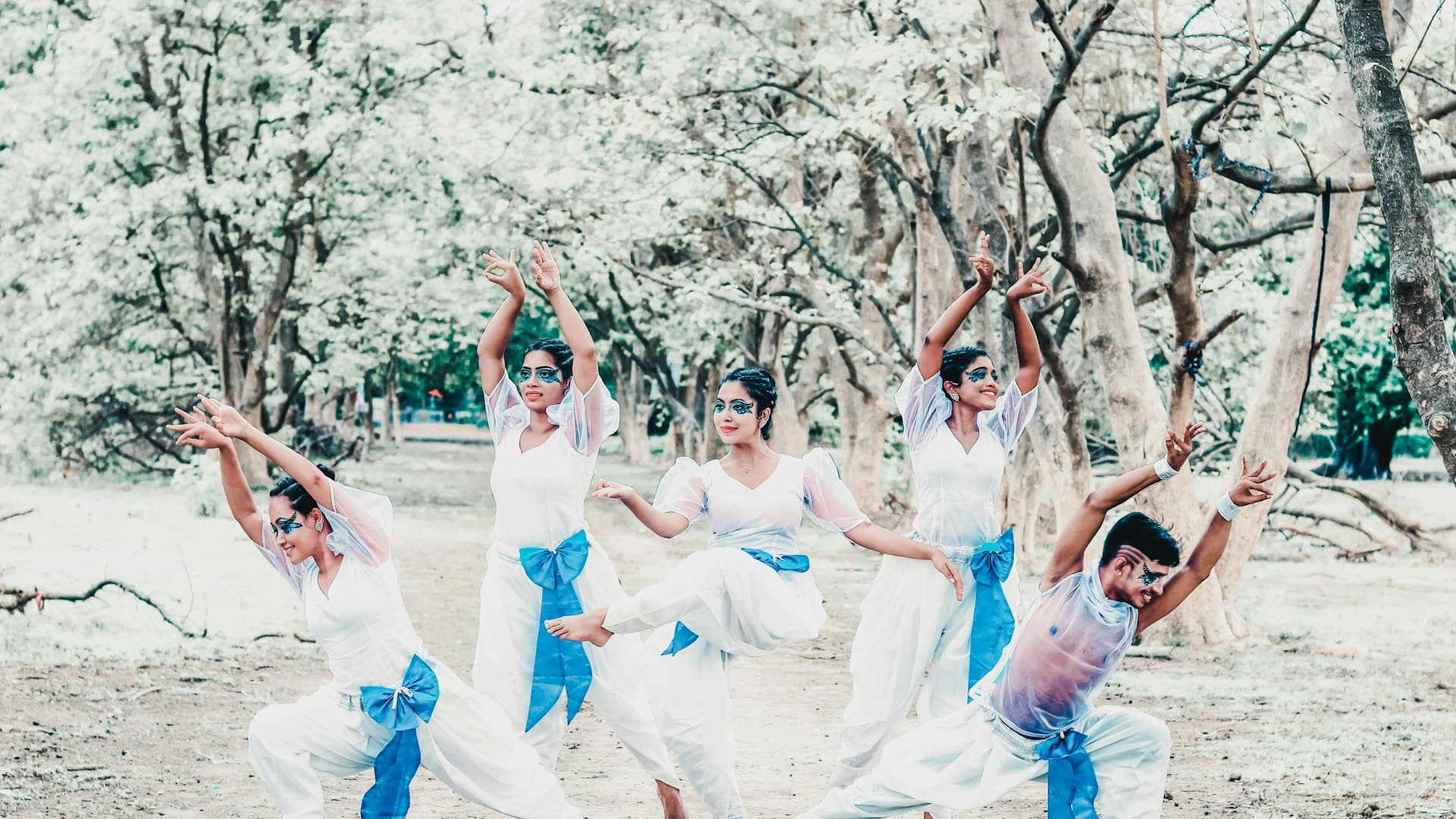
Group dance is one of the most competitive events on any cultural fest list. Crews rehearse for weeks, and the gap between first and fourth place often comes down to details the audience barely notices.
The usual scoring criteria
- Synchronisation: does the crew move as one?
- Choreography: originality, transitions and how the formations build
- Expression: does the crew perform to the audience, or just execute steps?
- Stage use and costume: filling the space and telling the story
Where crews lose points
Most deductions come from overrunning the time limit, props that slow down transitions, and music edits with abrupt cuts. Read the rules for the time limit and team size, and rehearse with the exact track you will submit.
Small things that add up
- Rehearse on a stage-sized area marked out on the floor
- Film every full run and watch it as the judges would
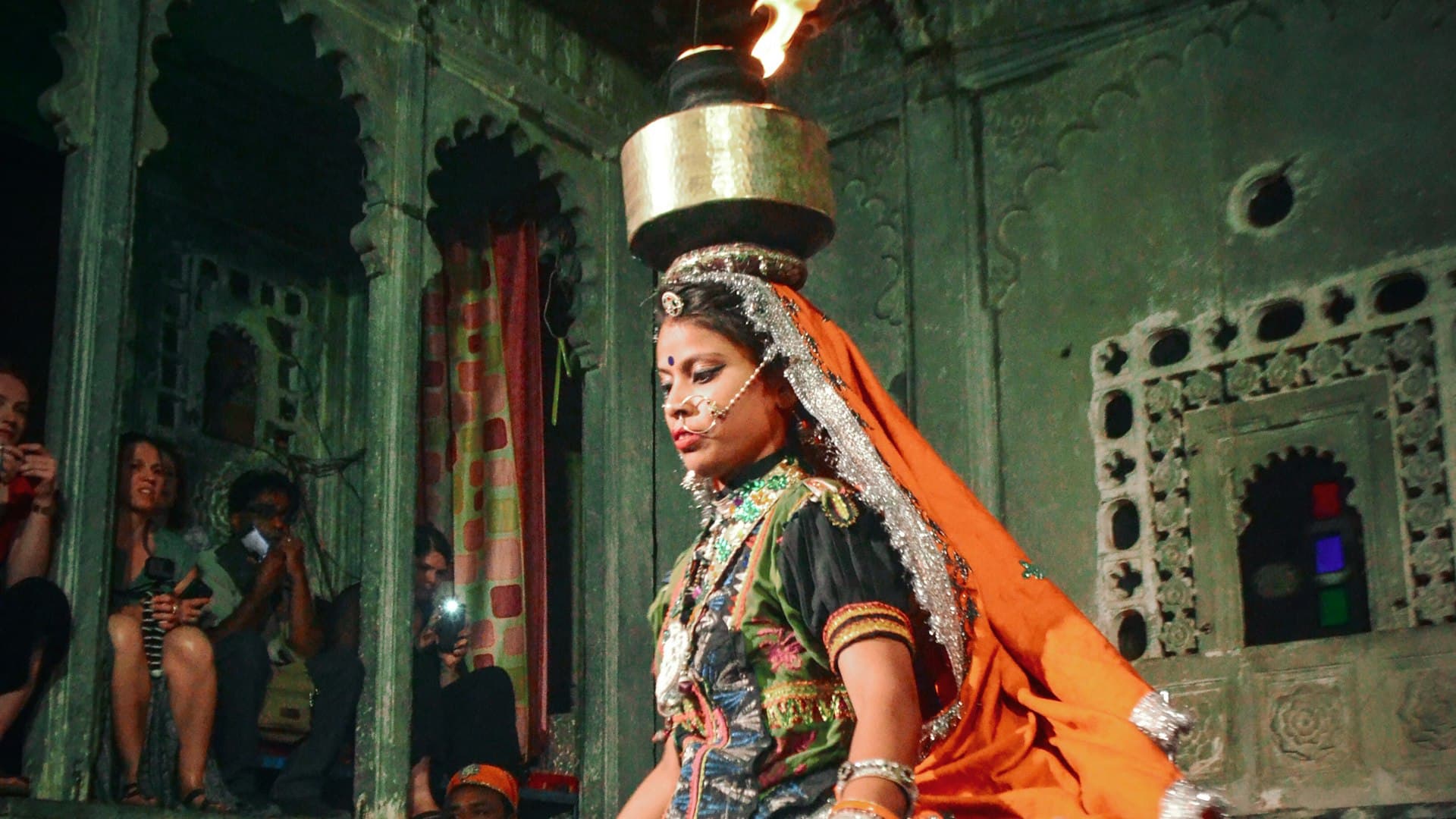
- Plan the entry and exit; judges score from the first step on stage
Judges watch the edges of a formation. That is where synchronisation slips first.