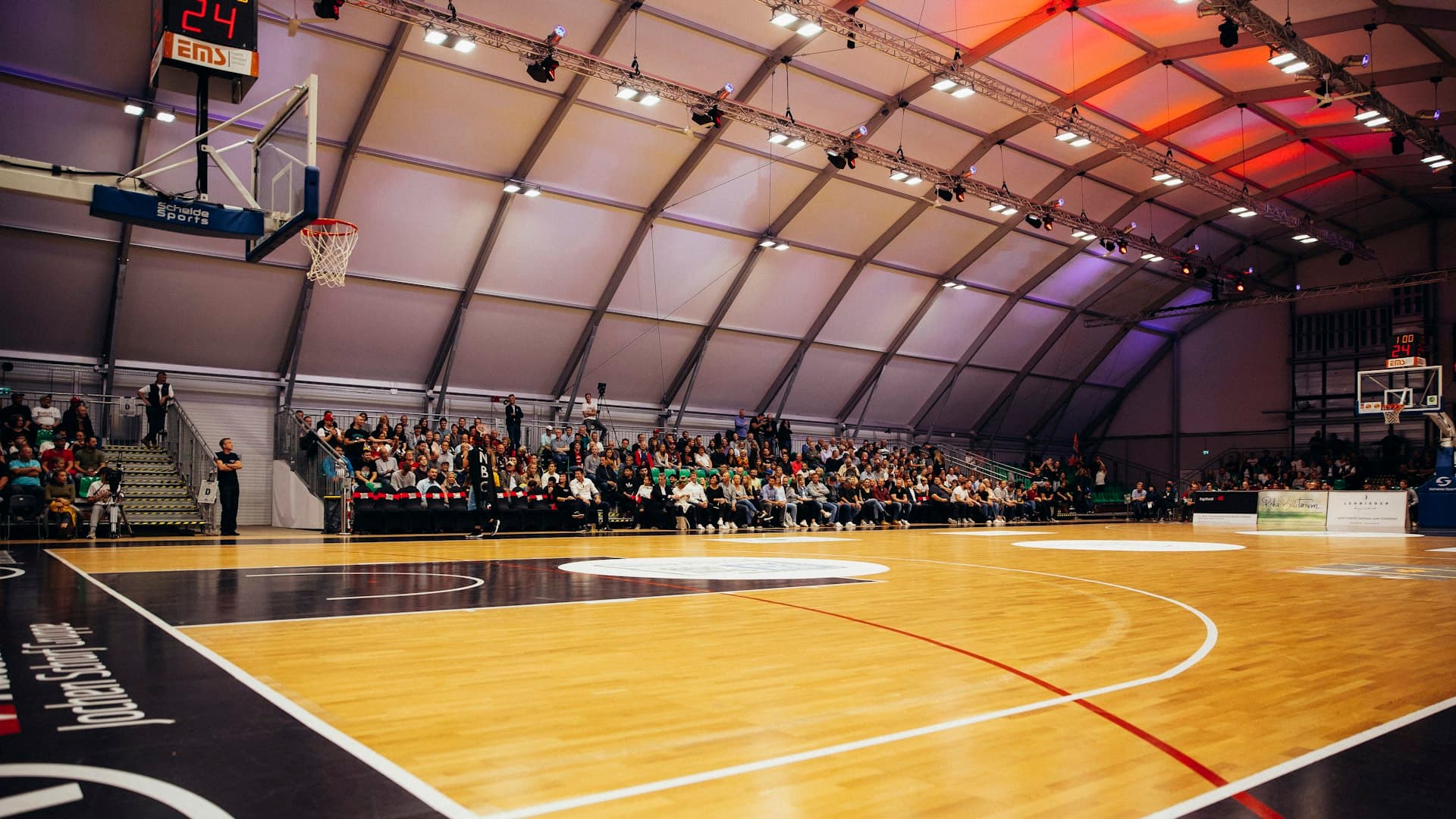
A sports meet looks simple from the stands: teams turn up, matches happen, someone lifts a trophy. Behind it is a schedule that has to survive late teams, rain and a final that runs into extra time.
Lock the format before you open registrations
Decide team sizes, the number of teams per sport and whether you run knockouts or a league stage. Put the minimum and maximum team size on every event, so captains register complete squads instead of adding players at the venue.
Build fixtures with slack
- Leave a 15-minute buffer between matches on the same court
- Schedule semi-finals and finals on the last day, with a reserve slot
- Publish the fixture list a week before, and send updates to captains, not every player
Referees and scoring
Confirm officials early and brief them on your rules, especially eligibility checks. Keep one official scoresheet per match, signed by both captains, and update the public scoreboard only from those sheets.
Look after the players
- A first-aid desk at every venue, staffed from the first match to the last
- Drinking water on every court
- A clear contact for captains when something goes wrong
Teams forgive a late start. They do not forgive a disputed result.